
By two in the afternoon, a lot of working days have already been through the wringer. Inbox full, calendar double booked, shoulders somewhere near the ears. People respond to this in predictable ways: another coffee, another scroll, or simply pushing through until the evening, when they are too drained to enjoy it. What most busy professionals say they actually want is a few minutes to reset, and the challenge is finding something short and simple enough to really do. That’s the gap a growing number of wellness wearables are trying to fill.
Why Small Pauses Add Up
It’s easy to dismiss a five minute break as a luxury, but the way you recover during the day often shapes how you feel at the end of it. Stress tends to build quietly, and without a pause the body stays in a keyed up state long after the stressful moment has passed. Taking short, intentional breaks, whether that’s a walk, stretching, slow breathing, or a structured relaxation session, gives your mind a chance to settle before the next demand arrives.
The trouble is that “just take a break” is advice most of us ignore. A tool with a clear start, a clear end, and a defined purpose can make it easier to follow through.
Where Pulsetto Fits
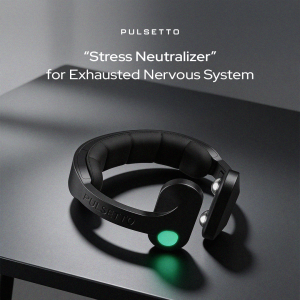
The Pulsetto neck wearable is built around exactly that idea: a short, structured session you can start with a few taps. It rests around the neck, delivers gentle, low level pulses through the skin to the area of the vagus nerve, and is controlled from a phone app. Sessions generally run somewhere between four and twenty minutes depending on the program, which makes it realistic to slot into a workday, whether that’s before a big presentation, after a tough call, or during the lull after lunch.
For anyone browsing a stress relief wearable to use alongside a demanding job, the appeal is the convenience. There’s no studio to visit, no class to book, and nothing to set up beyond applying the conductive gel and choosing a program.
Building It Into a Real Workday
The people who get the most out of any wellness habit tend to anchor it to something already in their routine. A few ideas that suit a working schedule:
Try it after a stressful meeting, using the session as a deliberate pause before switching tasks. Pair it with slow breathing and a few minutes away from screens, since the quiet may be as valuable as the device itself. Use it at the end of the workday as a way to mark the boundary between work and home, especially if you work remotely and the two blur together. Or keep it as part of an evening wind down if daytime use doesn’t suit your schedule.
If you’re curious how a Pulsetto neck device might slot into your own day, start with one consistent time and see how it feels before adding more sessions.
Think of It as One Tool Among Several
No single gadget can undo a packed schedule. Pulsetto and similar devices work best alongside the basics that already make a difference: regular sleep, movement, time outdoors, and boundaries around work hours. Some users find the device a helpful cue to slow down. Others notice little. Both experiences are normal, and it’s wise to go in with realistic expectations rather than hoping for dramatic change.
What the Research Says, and What It Doesn’t
Scientific interest in stimulating the vagus nerve is real, and studies continue to explore how it may influence relaxation and stress responses. At the same time, independent reviewers point out that evidence specific to consumer devices is more limited than the research on the broader technique. Pulsetto is marketed as a wellness product, not a medical treatment, and it shouldn’t be used to replace professional support for anxiety, burnout, sleep problems, or any health condition. If your stress feels overwhelming or persistent, talking with a doctor or mental health professional is the right next step.
Safety Notes
Because the device delivers electrical stimulation, read the instructions carefully. The manufacturer advises avoiding use if you have an implanted electronic device such as a pacemaker, metal implants in the neck, or broken or irritated skin in the area. Anyone with a heart condition, epilepsy, or who is pregnant should check with a doctor first. Start at a low intensity and stop if anything feels uncomfortable. As a sensible precaution, avoid using it while driving or doing anything that needs your full attention.
What to Check Before You Buy
Prices and promotions change, so look at the current offer. Find out which app features are included and whether any require a subscription, since some customers have mentioned being surprised by that. Check the warranty and return policy, and consider whether the build and design feel right for you. A trial of a few weeks with consistent use is a fair way to decide whether it earns a place in your routine.
The Bottom Line
Busy professionals rarely lack ideas for managing stress. What they lack is time, and a reason to stop long enough to try. A short, structured session can offer both, giving you a defined pause in a day that rarely has one. Used safely and with realistic expectations, Pulsetto for busy professionals can be a simple way to build more small moments of calm into a demanding schedule.

